Who Am I If AI Can Write?

Still a writer in the age of robots?
Yes. Here's why.
A couple weeks ago, I shared some thoughts on AI and creativity—where it’s going, what it’s built on, and what it means for us as writers.
Today, I want to talk about what’s not being said enough.
Not the tech.
Not the ethics.
Not the publishing trends.
How it feels.
Because I’m hearing it more and more—sometimes quietly, sometimes angrily.
“If AI can do this… who even am I?”
You sit down to write, stare at the blinking cursor, and wonder… Why bother?
AI can whip out 1,000 words in seconds.
It doesn’t need coffee.
It doesn’t panic about whether the scene is “working.”
And it sure doesn’t spiral about whether anyone will read it.
So what does that make you?
If you’ve asked yourself this question—even quietly—you’re not alone.
I’ve had more than one client say versions of it in our sessions lately:
“Am I still a real writer if I use AI?”
“Will anyone even care if I wrote the story?”
“What’s the point if a bot can do it faster?”
I hear you. And I get it. Because behind that question is something bigger:
A creative identity crisis.
We’ve spent years (maybe decades) building our voices, nurturing our stories, learning the craft.
Now AI shows up like an overachieving intern who skipped the line and still gets applause.
Here’s what I want you to hear loud and clear:
This isn’t just a tech shift. It’s a mindset moment.
Let’s Reframe the Fear
You’re not a word machine. You’re a meaning-maker.
AI can spit out words. It can mimic tone.
But it can’t feel your memories, your losses, your longing, your grit.
It’s never watched a parent die or fallen in love at the exact wrong time, or woken up in a cold sweat wondering if it’s too late to start something new.
You bring that. Only you do.
So here’s a new way to think about it:
AI is a tool. You’re the storyteller.
So here’s your permission slip, straight from me to you:
✅ Use AI if it helps you brainstorm.
✅ Let it draft a scene if you’re stuck.
✅ Run your blurb through a tool if you want to polish it.
Or don't do any of those things.
But always—always—come back to your voice, your choices, your truths.
You’re not a fraud for using or not using tools.
You’re a writer who’s learning to navigate a new era.
A Simple Plan for Staying True
1. Don’t hand your power to a prompt.
Use it to get unstuck, explore possibilities, or fill in blanks—but don’t give it the wheel. You’re the one driving.
2. Your story’s heart isn’t optional. It’s the whole damn point.
The heart of your book is in what you believe. When you’re lost, return to that.
3. Revision is where you show up.
Add the details only you would think of. Say the thing only you can say. That’s what turns a decent draft into a book that makes someone cry in the airport or laugh in the middle of a hard day.
What Do You Want from This Conversation?
I want to keep talking about this—but only if it’s helpful to you.
Let me know where you’re at:
(Click one to vote)
👇 How do you feel about AI and your writing life?
So… who are you if AI can write a book?
You’re the soul of the story.
You’re the filter that turns facts into feeling.
You’re still the writer.
And nothing—absolutely nothing—can replace that.
Hello!
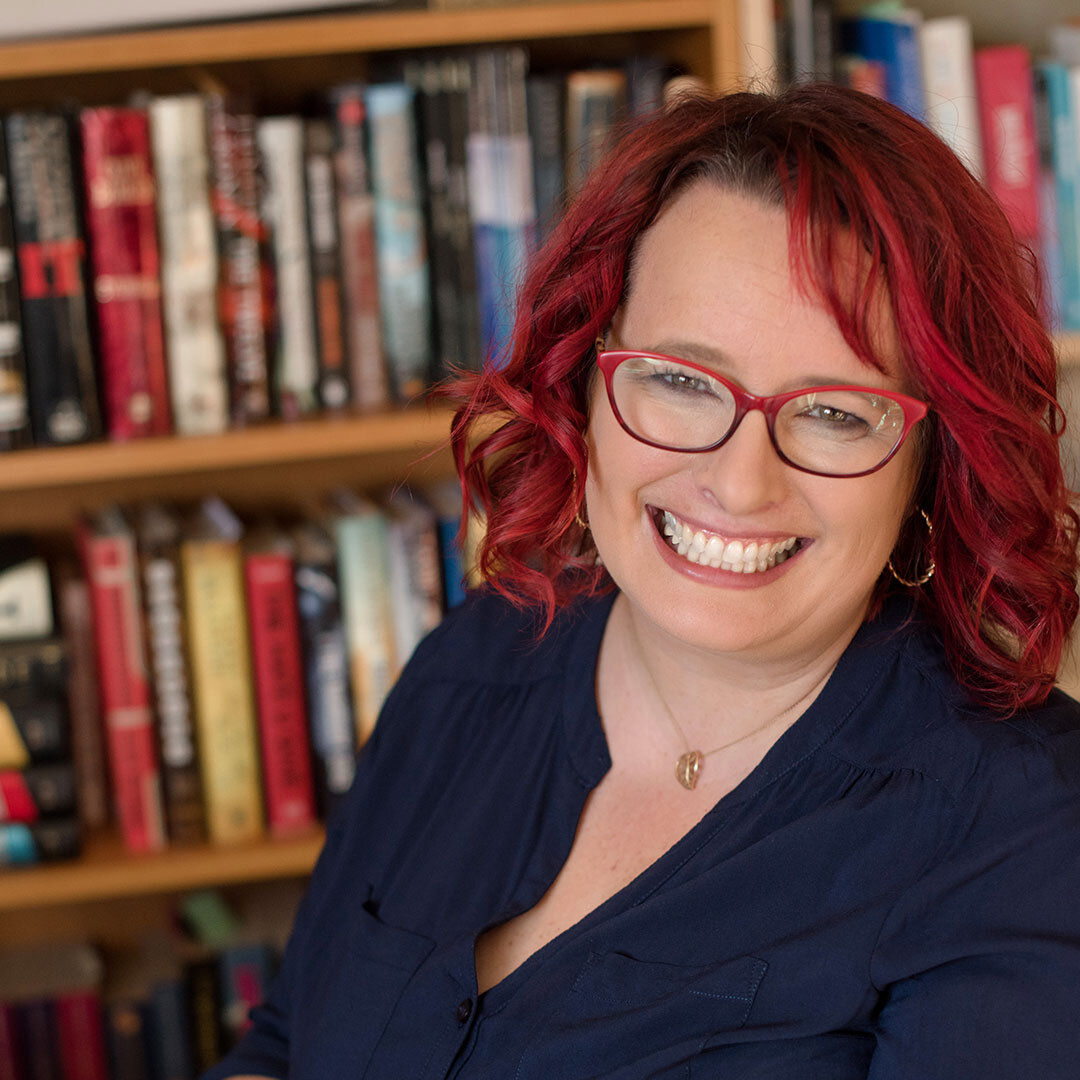
My name is Jocelyn.
Story warrior, book lover, day dreamer, gardener, and creative. I help serious writers roll up their sleeves, get their novel ready for publishing, and reach readers. When I’m not elbow-deep in the story trenches, I’m outside world-building in my garden and battling weeds with my three criminal mastermind cats.
GET IT NOW
Don’t write another chapter until you grab the 10 Step Chapter Checklist.
Transform your chapters from blah to badass.